Restore Balance With Personalized Testosterone Care
Low testosterone can affect more than sexual health. When testosterone levels decline, some men experience changes in energy, strength, mood, concentration, body composition, libido, and overall quality of life. Because these symptoms can also have other causes, effective treatment starts with understanding what is actually happening rather than assuming testosterone is the problem.
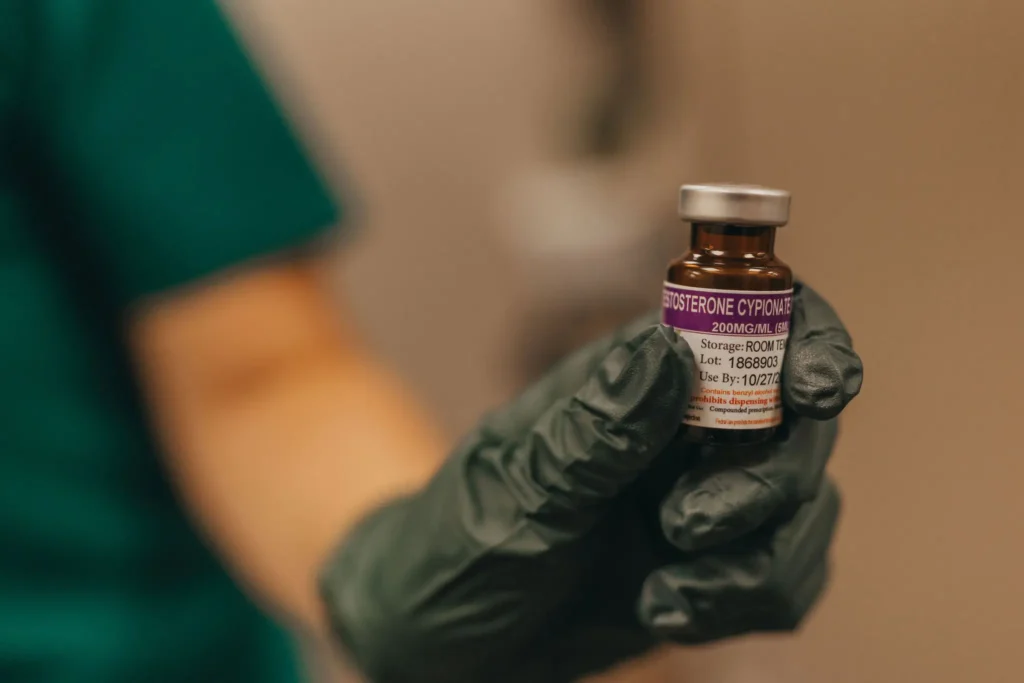
At New You Aesthetics & Wellness, men’s hormone care combines medical evaluation, lab testing, and individualized treatment planning. For men who are appropriate candidates for testosterone replacement therapy (TRT), options include testosterone injections, testosterone creams, and testosterone pellets, allowing treatment to be tailored to individual needs and preferences.
What Is Testosterone Replacement Therapy?
Testosterone replacement therapy is a medical treatment used to supplement testosterone in men with testosterone deficiency when treatment is appropriate. Testosterone plays an important role in male sexual function, muscle and bone health, red blood cell production, and other physiological processes.
TRT is not simply a treatment for getting older or improving performance. Symptoms of low testosterone can overlap with sleep problems, stress, medication effects, thyroid concerns, and other health conditions, so evaluation and laboratory testing are important before beginning treatment.
Testosterone Injections, Creams, and Pellets
There is no single form of testosterone therapy that is right for every patient. New You offers multiple options so the method of treatment can be selected according to your individual health, preferences, and treatment plan.
- Testosterone Injections: Testosterone is administered by injection on a schedule determined by your treatment plan.
- Testosterone Creams: Topical testosterone provides a non-injection option and is applied according to individualized prescribing instructions.
- Testosterone Pellets: Small testosterone-containing pellets are placed beneath the skin and gradually release testosterone over an extended period.
Your provider will discuss the differences between available options and help determine which approach is most appropriate for you.
How Does Testosterone Therapy Work?
TRT supplements testosterone to help bring levels into an appropriate range for men with testosterone deficiency. The exact dose, administration method, and treatment schedule depend on your starting levels, symptoms, health history, and response to therapy.
Treatment does not end once testosterone is prescribed. Follow-up and laboratory monitoring are important parts of care because testosterone levels and other health markers may need to be reassessed as treatment continues. Your plan can then be adjusted when clinically appropriate.
What Symptoms Can Low Testosterone Cause?
Testosterone levels naturally change with age, but symptoms alone cannot confirm testosterone deficiency. When symptoms are persistent or begin affecting daily life, a medical evaluation can help determine whether low testosterone or another health concern may be contributing.
Men may seek evaluation for concerns such as:
- Low Energy: Persistent fatigue or reduced stamina can be associated with low testosterone, although many other conditions can cause similar symptoms.
- Reduced Libido: Lower sexual desire is one of the symptoms that may occur with testosterone deficiency.
- Changes in Erectile Function: Testosterone can influence sexual function, although erectile dysfunction may have several hormonal and non-hormonal causes.
- Loss of Muscle Mass: Low testosterone may contribute to changes in lean muscle mass and physical strength.
- Increased Body Fat: Changes in testosterone can occur alongside shifts in body composition.
- Mood Changes: Some men experience irritability, low mood, or changes in overall well-being.
- Difficulty Concentrating: Problems with focus or concentration may occur alongside other symptoms.
- Reduced Bone Density: Testosterone plays a role in maintaining bone health in men
What Are the Benefits of Testosterone Replacement Therapy?
For appropriately diagnosed men, TRT is intended to address symptoms and health effects associated with testosterone deficiency. The results vary between patients, and treatment should be guided by medical need rather than promises of dramatic physical or performance changes.
Potential benefits may include:
- Supports healthy testosterone levels in appropriate candidates
- May improve low libido associated with testosterone deficiency
- May support energy and overall sense of well-being
- Can help support lean muscle mass and strength
- Plays a role in maintaining bone health
- Offers injections, creams, and pellets to accommodate different treatment needs
- Includes ongoing laboratory monitoring and provider oversight
- Allows treatment to be adjusted according to individual response
Who Is a Candidate for Testosterone Therapy?
Men experiencing symptoms consistent with testosterone deficiency may be candidates for evaluation, but symptoms alone are not enough to determine whether TRT is appropriate. Diagnosis generally involves assessing symptoms alongside testosterone measurements and considering other possible causes.
Your medical history and individual risk factors also matter. Testosterone therapy may not be appropriate for every man, so your provider will evaluate relevant health considerations and discuss the potential benefits, limitations, and risks before treatment is prescribed.
What to Expect From Your Testosterone Evaluation
Your first step is a comprehensive assessment of your symptoms, health history, current medications, lifestyle, and treatment goals. Lab testing provides objective information that can help determine whether testosterone deficiency is present and whether additional health factors should be considered.
If TRT is appropriate, your provider will develop a personalized plan and discuss whether injections, creams, or pellets are best suited to your needs. Follow-up care allows your response to treatment and relevant laboratory markers to be monitored over time.
Is There Downtime With Testosterone Therapy?
Testosterone injections and creams generally do not require traditional downtime. Testosterone pellets involve a minor in-office placement procedure, so temporary tenderness, bruising, or activity restrictions around the insertion site may apply.
Potential side effects and risks also vary according to the form of testosterone therapy and the individual patient. Your provider will review what to expect with your prescribed treatment and provide instructions for ongoing monitoring and follow-up.
When Will I Notice Results From Testosterone Therapy?
TRT results develop gradually, and different symptoms may respond at different rates. Changes in sexual symptoms, energy, mood, body composition, and other concerns do not necessarily occur on the same timeline.
Your response is evaluated over time rather than after a single dose or appointment. Consistent follow-up helps determine whether treatment is producing the intended effect and whether adjustments to your plan may be appropriate.
How Long Does Testosterone Therapy Last?
The duration of testosterone therapy is individualized. TRT supplements testosterone while treatment is being used, so men with an ongoing medical need may remain on therapy longer term as long as treatment continues to be appropriate and monitored.
Your provider will periodically reassess your response, laboratory findings, overall health, and treatment goals. Testosterone therapy should not be stopped, restarted, or adjusted without discussing the change with your prescribing provider.
Testosterone Injections vs. Creams vs. Pellets
The best form of testosterone therapy depends on more than convenience. Each delivery method has different considerations related to administration, dosing frequency, lifestyle, and ongoing management.
Rather than choosing a method based solely on convenience, your provider can help you weigh the practical and medical considerations of each option.
Can Testosterone Therapy Be Part of a Broader Men’s Health Plan?
Yes. Testosterone is only one part of men’s health, and improving a lab value does not replace attention to sleep, nutrition, physical activity, cardiovascular health, stress, and other factors that can influence how you feel.
When additional concerns are identified, they can be addressed as part of a more comprehensive wellness strategy. New You’s approach is to make recommendations based on your evaluation rather than automatically adding treatments that may not be relevant to you.
Why Choose New You Aesthetics & Wellness for Testosterone Therapy?
Men’s hormone care requires more than prescribing testosterone based on symptoms alone. New You Aesthetics & Wellness combines laboratory evaluation, individualized treatment planning, multiple TRT delivery options, and continued monitoring to provide a more thoughtful approach to testosterone care.
Led by Hillary Mitchell, APRN, FNP-C, PMHNP-BC, LSO, New You is built around the belief that One Size Fits None. With more than five years of specialized expertise in aesthetics, wellness, and weight management, the practice provides hormone care with licensed nurse practitioner oversight and treatment plans designed around the individual.
- Multiple TRT Options: Testosterone injections, creams, and pellets allow treatment to be tailored to individual needs.
- Lab-Guided Care: Evaluation and laboratory testing help establish whether testosterone treatment is appropriate and guide ongoing care.
- Licensed Nurse Practitioner Oversight: Treatment is provided and supervised by credentialed NPs with specialized training.
- Individualized Treatment Plans: Dosing, delivery method, monitoring, and follow-up are based on the individual rather than a standard protocol.
- Long-Term Monitoring: Continued care allows your provider to evaluate your response and make appropriate adjustments over time.
Frequently Asked Questions About Men’s Testosterone Therapy
What does hormone therapy do for men?
For men with testosterone deficiency, TRT supplements testosterone and may help address associated symptoms such as low libido, reduced energy, changes in muscle mass, and other concerns. Results depend on the individual, and treatment should be based on an appropriate medical evaluation.
How long does men’s hormone therapy last?
There is no single treatment duration for every patient. Men with an ongoing need for testosterone replacement may use therapy longer term, with continued monitoring to determine whether treatment remains appropriate.
Does TRT help with belly fat?
Testosterone deficiency can be associated with changes in body composition, and appropriate TRT may influence lean mass and fat mass in some men. However, TRT is not a weight-loss treatment and should not be prescribed solely to reduce abdominal fat.
How do I know if I have low testosterone?
Symptoms such as low libido, reduced energy, loss of muscle mass, and mood changes may occur with testosterone deficiency, but they can also have other causes. An appropriate diagnosis requires a medical evaluation and testosterone testing rather than symptoms alone.
What is the best type of testosterone replacement therapy?
There is no single best form of TRT for every man. New You offers testosterone injections, creams, and pellets, and the appropriate method depends on your health, treatment needs, preferences, and provider recommendation.
How often should testosterone levels be checked during TRT?
Monitoring frequency depends on your treatment method, stage of therapy, laboratory results, and individual health considerations. Your provider will establish an appropriate follow-up schedule and may monitor testosterone along with other relevant health markers during treatment.
Take the Next Step Toward Better Hormone Health
If changes in energy, libido, strength, mood, or overall well-being have you wondering whether testosterone may be a factor, testing can provide a clearer place to start. New You Aesthetics & Wellness offers personalized men’s testosterone therapy with multiple treatment options and ongoing medical oversight.


 Liz Price
Trustindex verifies that the original source of the review is Google.
Had micro needling today went greatPosted on Google Sabrina Giles
 phillip weedon
 Dog War
 Travis Baugh